Start with the pattern, not a guess
Security improves through layers: supported software, updates, unique passwords, multifactor authentication, reliable backups, and cautious decisions. No single product or service prevents every scam, breach, mistake, or failure.
Practical checks and decisions
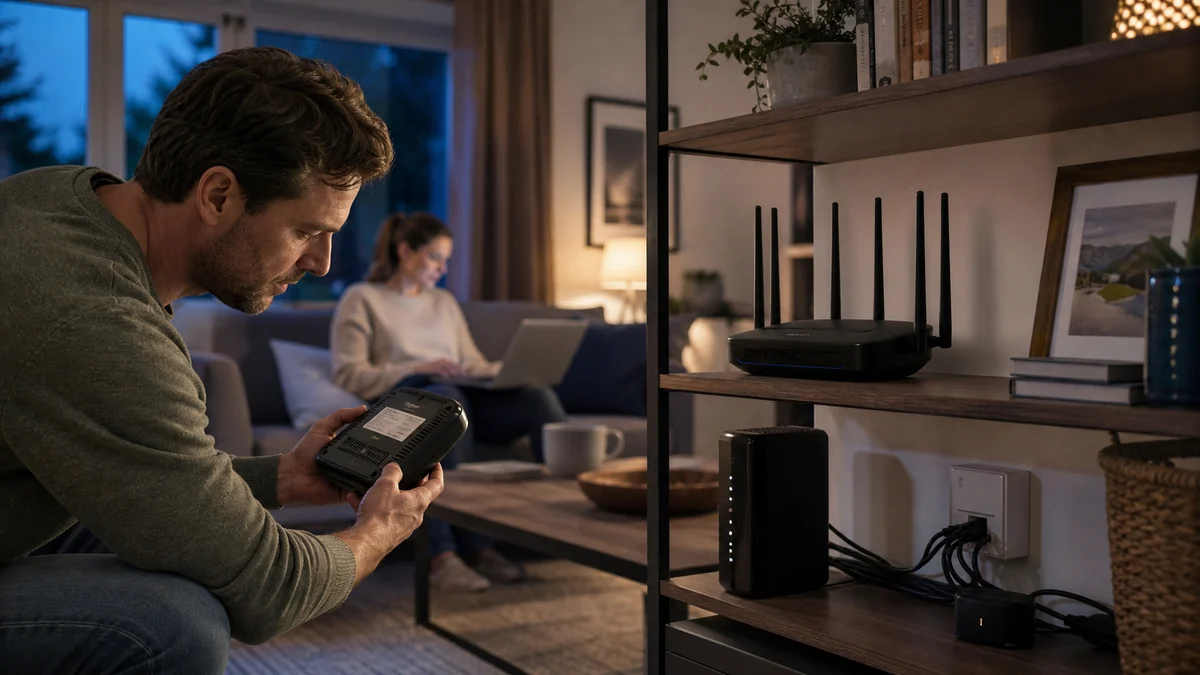
Work from observation to one controlled change at a time. Stop when the next step could risk data, accounts, electrical safety, or additional hardware damage.
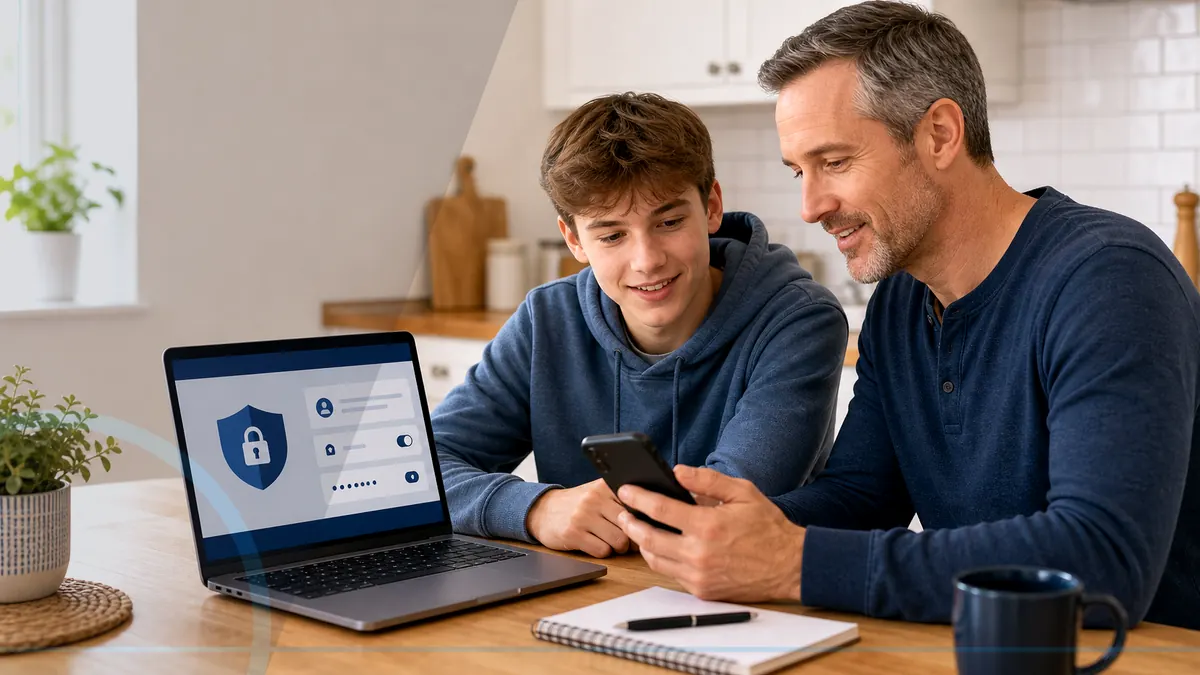
Agree on rules for downloads, purchases, chats, and accounts
Start with supported software, current updates, protected primary email, unique passwords, multifactor authentication, and a tested backup. These layers reduce common risk without promising complete prevention.
Teach kids never to share passwords or verification codes
Confirm settings through the operating system, app, or provider you normally use. Do not follow an unexpected message to a login page, download, phone number, or verification request.
Review privacy and safety settings together
Document alerts, affected accounts, devices, and recent changes before clearing messages or installing tools. Use a separate trusted device when account access may already be exposed.
Make suspicious messages and mistakes easy to discuss quickly
Review the result over time rather than trusting one green status icon. Monitoring and human follow-up improve visibility, while backups and careful user decisions remain necessary.
When a professional diagnosis makes sense
Ask for help when an alert cannot be verified, important account access changes unexpectedly, protection will not update, or a household needs a repeatable monitoring and backup plan. Bring the exact message and identify which devices and accounts are involved.
For hands-on or remote help, explore the service options related to this issue, or browse the Help Center for another guide.